
At Kynsi Winery, it’s easy to focus on what’s in the glass: a silky Pinot Noir, a bright Chardonnay and the cool coastal character that has made Edna Valley one of California’s premier wine regions.
What most visitors don’t realize is that part of Kynsi’s story began long before the winery opened its doors, and not in a vineyard at all.
Within the walls of wineries across the Central Coast, Don Othman spent years welding stainless steel tanks, fabricating equipment and listening carefully as winemakers talked through the challenges of their craft. Those conversations eventually led to an invention that would change the way premium wine is made around the world. And it’s the foundation for the philosophy that still guides Kynsi Winery today.
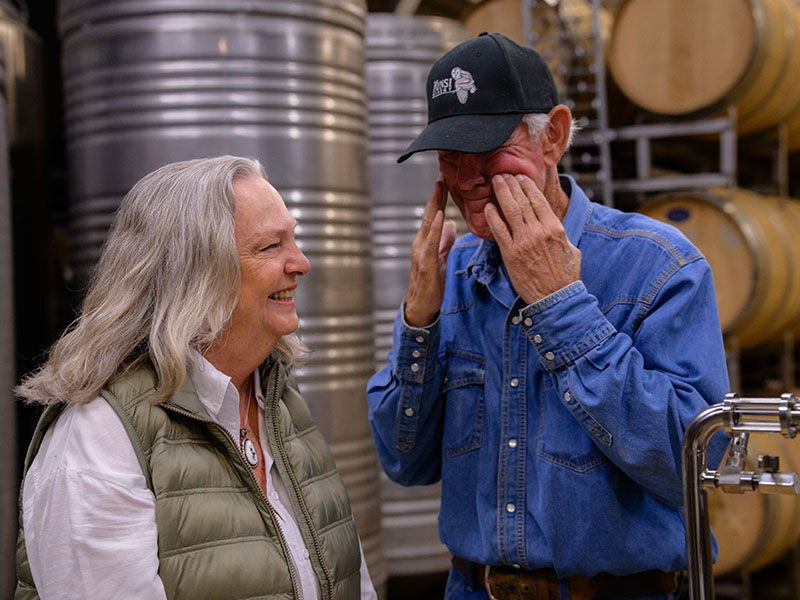 Long before they were winery owners, Don and his wife, Gwen, were entrepreneurs looking for a way to build a life on the Central Coast. When they settled in San Luis Obispo County in 1975, the patchwork of vineyards that now defines the landscape was still years away. Paso Robles had only a handful of wineries; Edna Valley had just one.
“It was the very beginning of the explosion of the wine industry,” Gwen says.
Don, a skilled welder specializing in stainless steel and exotic metals, recognized an opportunity. As wineries embraced stainless steel for its durability and sanitation, they needed someone with the expertise to fabricate equipment and solve technical challenges. The couple launched Bulldog Welding and Manufacturing, named after the 1950 Mack truck Don transformed into a fully equipped mobile workshop.
As new wineries appeared across the Central Coast, Bulldog grew alongside them. Don installed equipment, fabricated custom components and, perhaps most importantly, became a trusted problem solver.
“Every winery operated a little differently,” Gwen says. “He was always listening to what winemakers were trying to accomplish and figuring out how to help them do it better.”
By the mid-1980s, as Pinot Noir emerged as a signature grape on the Central Coast, one challenge kept resurfacing: Its elegance also made it notoriously delicate. At the time, wineries typically transferred wine from barrel to bottling tank with mechanical pumps, a process that could agitate the wine while exposing it to oxygen. The result was significant. Some of the aromas, texture and nuanced character that had developed so carefully in barrel could be lost before the wine ever reached the bottle.
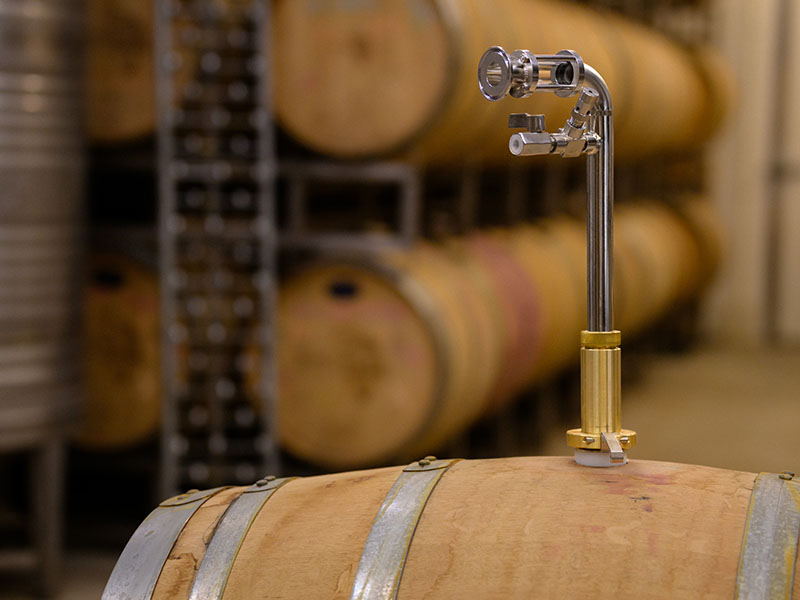
Winemakers wondered if there was another way. Working closely with several local wineries, Don designed one. Instead of relying on a pump, his device used gentle nitrogen pressure to move wine from barrel to tank without introducing oxygen or excessive agitation.
“The feedback was, ‘This is a game changer,’” Gwen says. “They could finally preserve the quality of the wine that was in the barrel all the way to the bottle.”
The Othmans named the invention The Bulldog Pup. They never advertised. They never had to. “The winemakers talked to each other,” Gwen says knowingly.
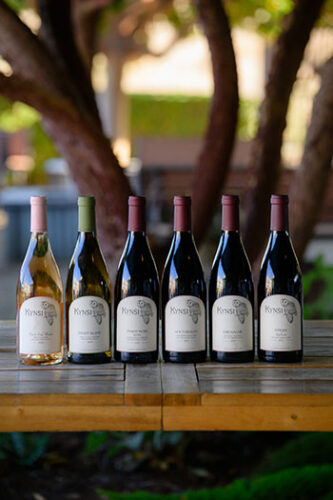 Once winemakers realized they could preserve the delicate character of their wines in a way that hadn’t been possible before, word spread from cellar to cellar, then across wine regions and even across oceans. Today, The Pup is used in every major winemaking country in the world, with thousands sold across the globe. What began as a solution for Pinot Noir has since found its way into wineries producing every varietal, as well as craft breweries and distilleries from California to Japan.
For the Othmans, The Pup did more than change the way wine was moved. It introduced them to a global community of winemakers who generously shared ideas, solved problems together and, ultimately, inspired the couple’s own journey into winemaking.
As Don traveled from winery to winery, helping to customize equipment and troubleshoot production challenges, he absorbed countless lessons from respected vintners. “He learned the good, the bad and the ugly,” Gwen says. “He saw how careful some winemakers were, how innovative they were and how every little detail mattered.”
By the time the couple decided to start Kynsi Winery in 1995, they weren’t entering the industry as outsiders. They had spent years immersed in it. The winery’s philosophy centers on thoughtful craftsmanship and respect for detail, from exceptional fruit to every stage of winemaking.
“Every detail is important,” Gwen says. “Each little decision contributes something to the final wine, and if you keep making those decisions for quality, it shows in the finished bottle.”
Today, guests raising a glass at Kynsi may never realize the journey that brought the winery here. Yet the same commitment to craftsmanship that inspired The Pup continues to shape every bottle Kynsi produces. And nearly 30 years after opening the winery, that philosophy still finds its way into each glass poured in Edna Valley