
Babé Farms at 40: The Company That Helped America Fall for Baby Vegetables
Story by Jonathan LaFerrara
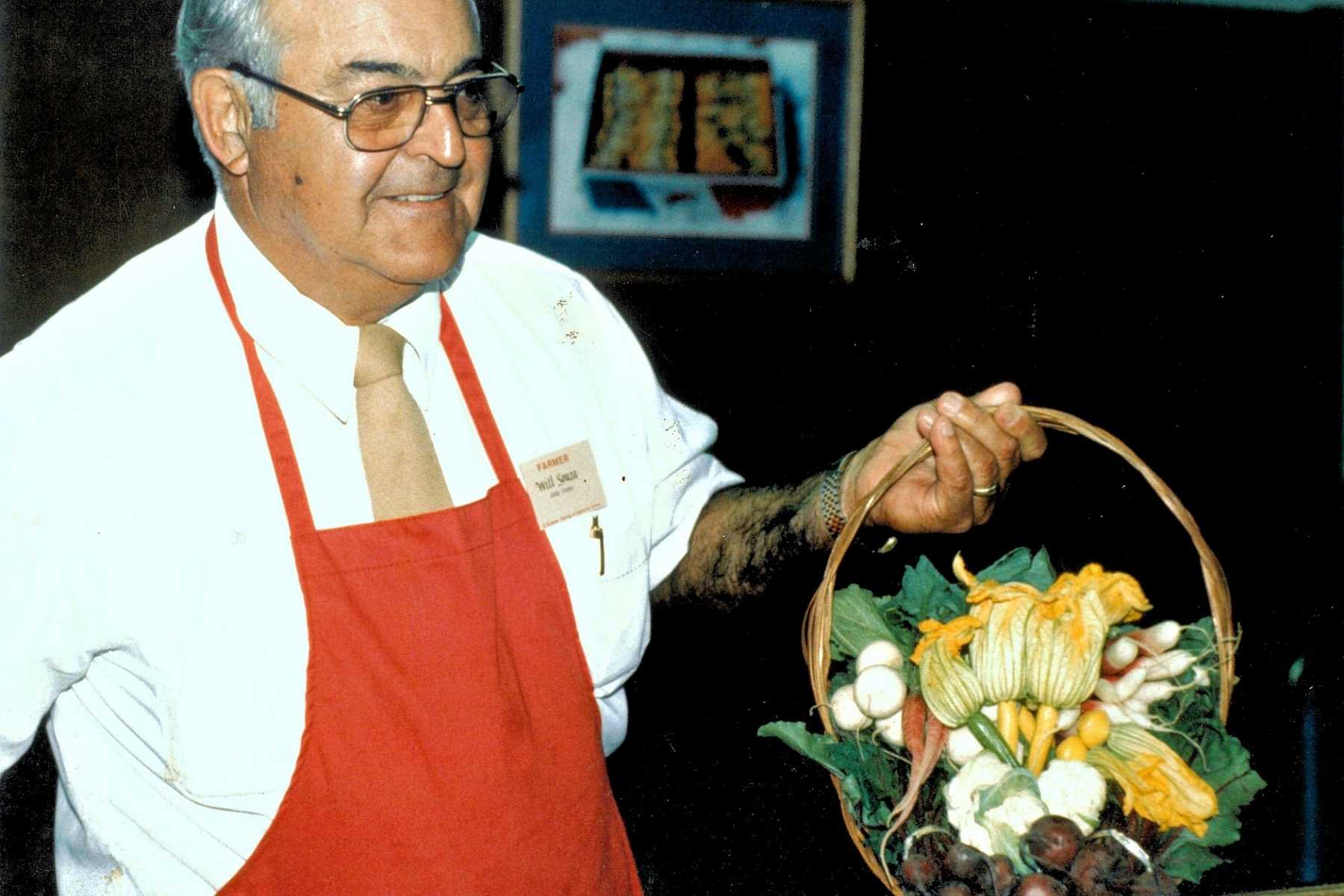
When Babé Farms was founded in 1986 the American produce aisle looked very different. Lettuce meant iceberg or romaine. Color was limited. Variety, even more so. But Wilbur Souza, a third-generation farmer with deep roots in the valley, had seen something else entirely. While traveling through Europe he encountered delicate mesclun mixes and petite, flavor-packed vegetables. He returned to California with a simple but ambitious idea: bring that sensibility stateside.
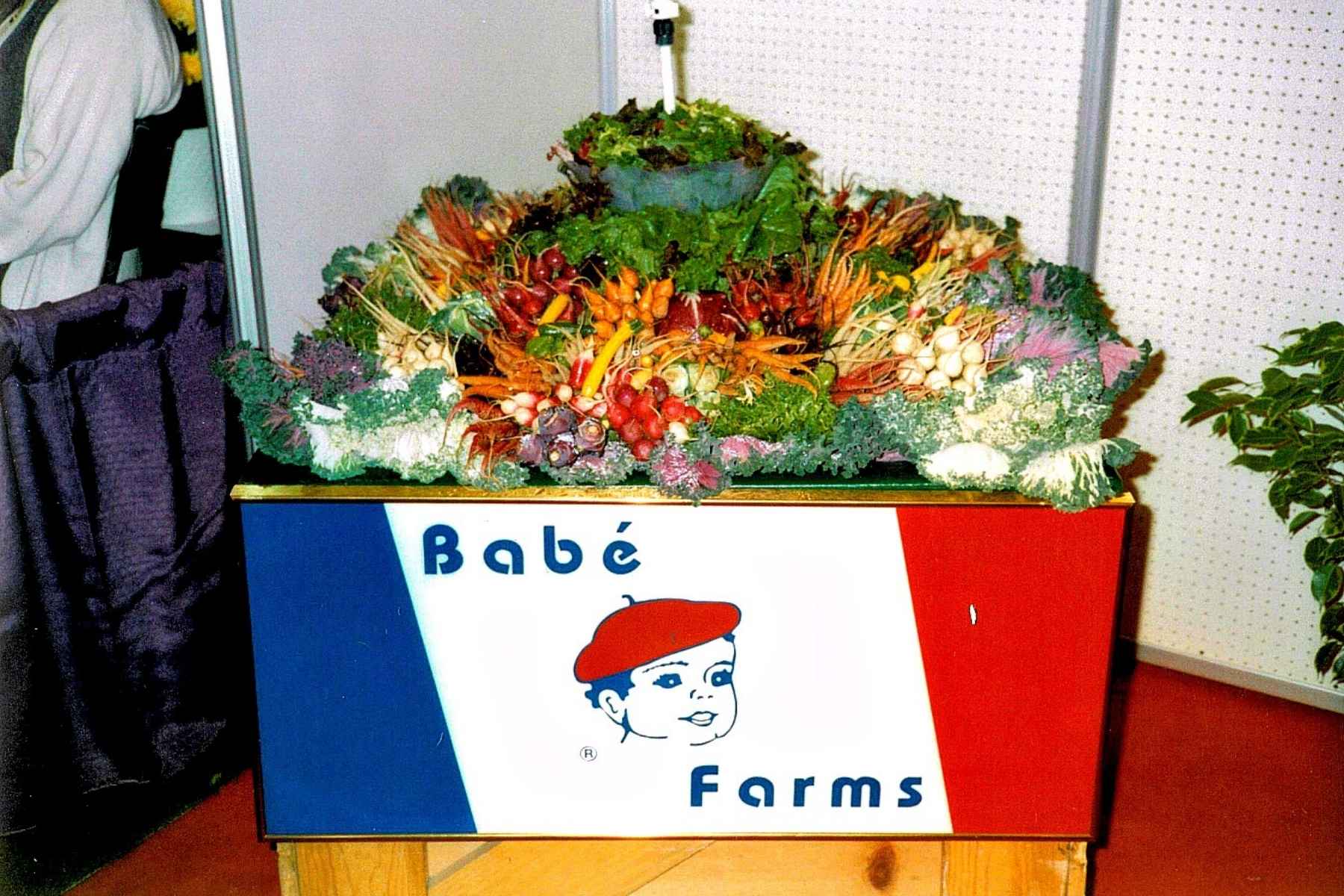
This year Babé Farms celebrates its 40th anniversary, marking four decades as a pioneer and driving force in the specialty produce category. From the modest beginnings in 1986 to growing into one of the most recognized labels in baby vegetables and gourmet greens across the U.S. and Canada, Babé’s trajectory is rooted in curiosity, family, and commitment to quality.
The business grew out of Souza & Boster Farms, which supported Babé Farms in its earliest years as an experimental platform for new varieties and growing methods. Early on, neighboring farmers questioned the idea of growing “baby” vegetables, but Babé Farms’ continued to push boundaries that quickly set it apart. What began as a small, family-run venture where everyone pitched in wherever needed soon became one of the first companies to introduce packaged spring mix, specialty greens, and colorful baby vegetables to North America.
“Forty years ago, specialty vegetables were a niche concept with little mainstream exposure,” says Jeff Lundberg, President and CEO of Babé Farms. “Today, while still a distinct segment, they’re far more embraced across the produce industry. We’re proud to have helped shape that evolution.”
In its earliest years farming decisions were guided largely by instinct: what looked good in the field, might resonate with chefs. Today, production is far more precise and guided by demand forecasting with careful planning to reduce waste. Diversification became essential, drawing chefs in with variety and color. Ongoing collaboration with seed companies keeps innovation at the core of the operation. Though mechanization has improved efficiency, Babé Farms remains largely hand-harvested, relying on its crews whose expertise has been refined over decades in the field.
It is the human element of the business that runs deep and pushes the innovation along. Alongside Wilbur, early partners Greg and Cherrie Pedigo and Frank and Judy Lundberg helped define the business and the culture that sustains it. Many employees have called Babé their home base for decades, with multiple generations of families contributing to the work both internally and externally.
The business has been built by always taking a chef-first approach, introducing its products through persistence and a willingness to show up. Sometimes literally. Early sales efforts meant cold calls, cross-country trips, and the occasional last-minute scramble to meet a chef’s need. Over time the efforts built a loyal following in restaurant-forward cities like Los Angeles, New York, and Washington, D.C., where it earned a level of brand recognition that set the standard for baby vegetables in the specialty produce category.
Today, the company grows more than 70 varieties of specialty vegetables, from baby carrots and radishes to beets, lettuces, and organic kales. The catalog has expanded to include hundreds of pack configurations tailored to the needs of chefs and retailers alike. All of it is anchored in the specific climate of California’s Central Coast, where mild temperatures allow for year-round production. After four decades, the company is still guided by the same spirit that sparked its beginnings; that willingness to try something new, even when the path isn’t clear.
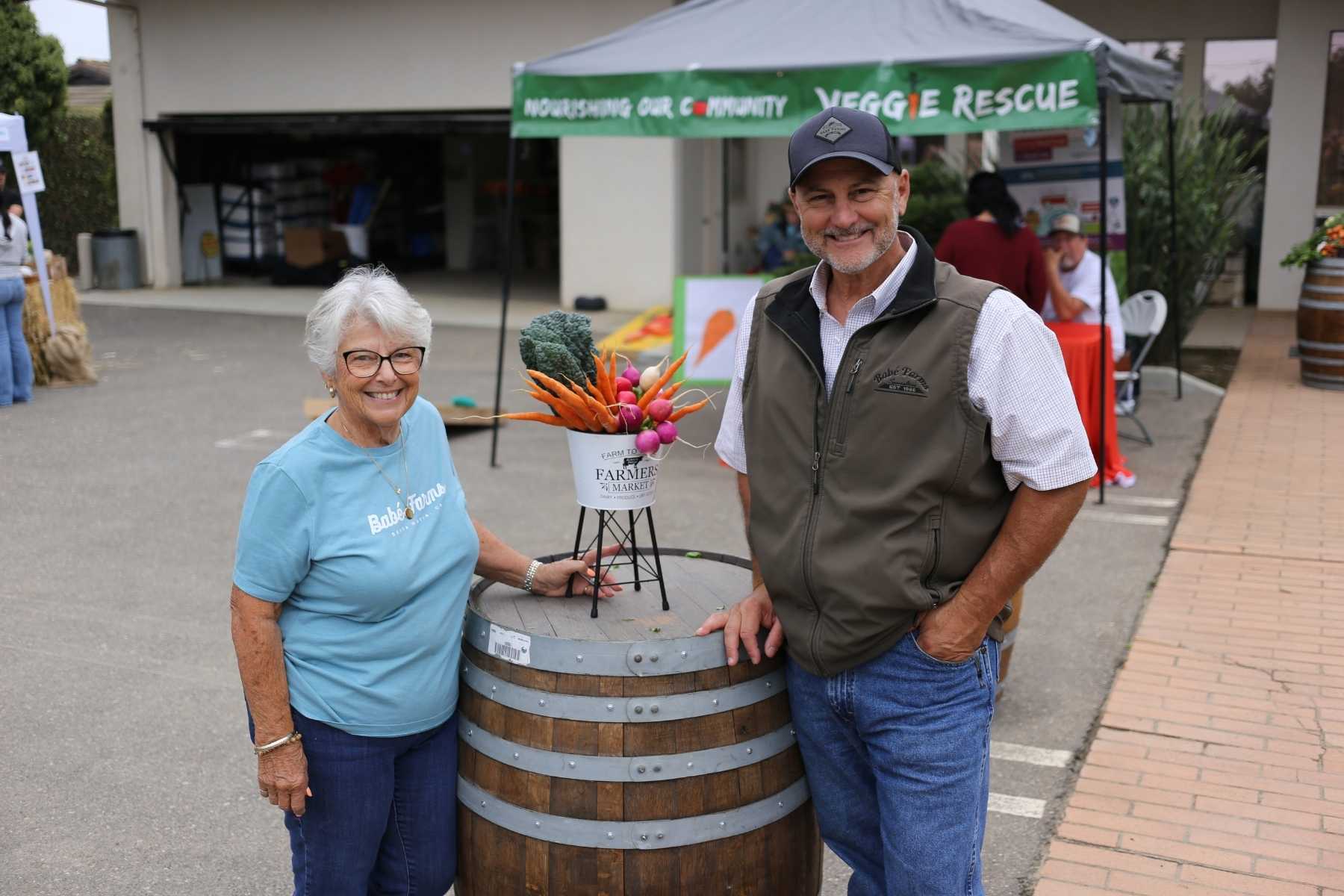
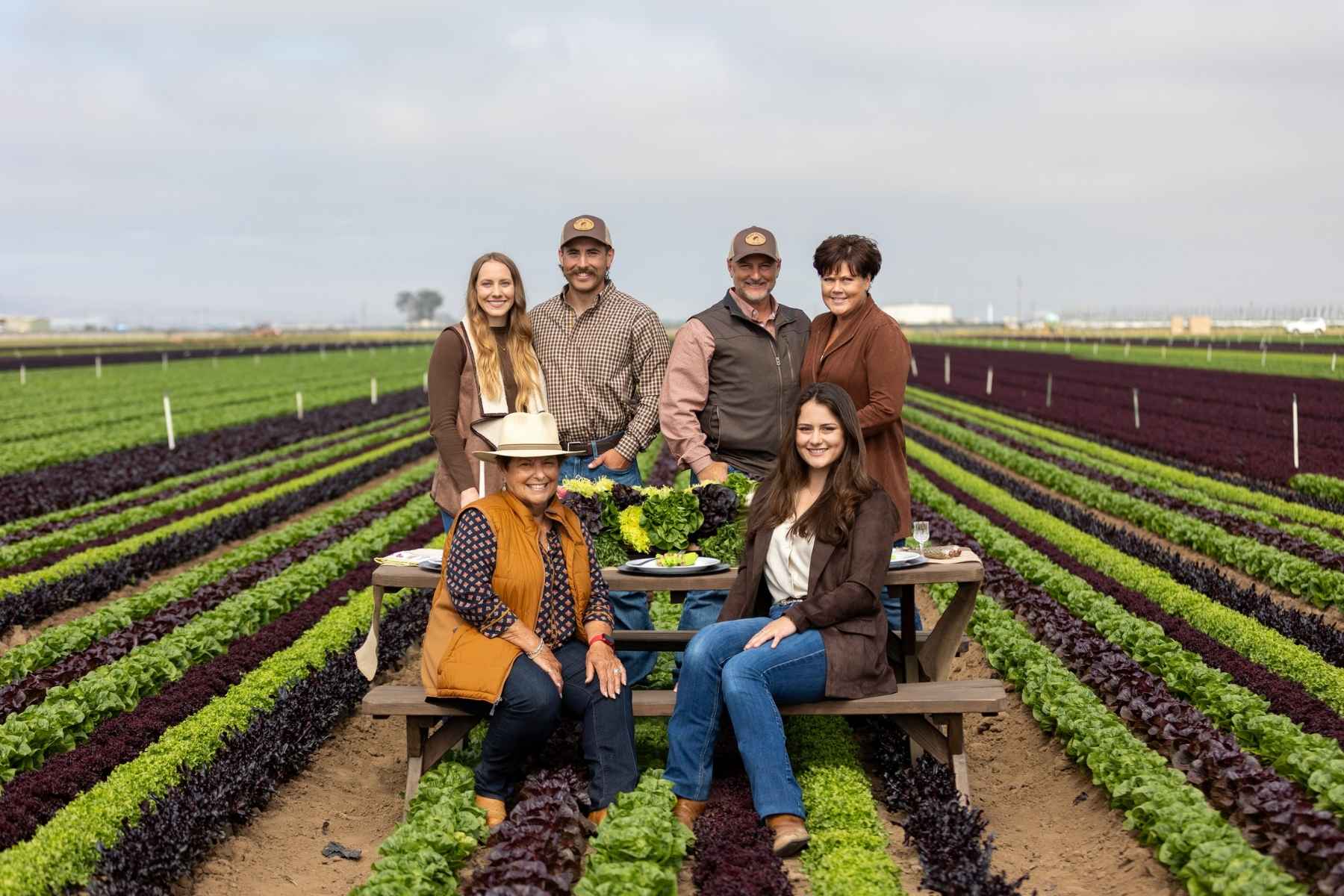
Through the expansion the company continues to remain family-owned, with leadership passing into the next generation. Jeff Lundberg now heads the company while his mother, founding partner Judy Lundberg-Wafer, serves as chairman of the board. As the company looks ahead, a new generation is beginning to take interest, ensuring the business continues to move forward rather than wind down.
“When we started, the goal wasn’t to build a national brand. It was to grow something meaningful and take care of our employees,” says Judy. “The growth followed because of the trust we built with our team and our customers. Seeing the next generation take an interest in the company makes this milestone even more special.”
“What we’re most proud of is our people,” continues Jeff. “Babé Farms exists because of their skill, loyalty, and heart—everything else follows.”