
Herbaceous Aromatics for Fall Cooking
Written by Lauren Yoon
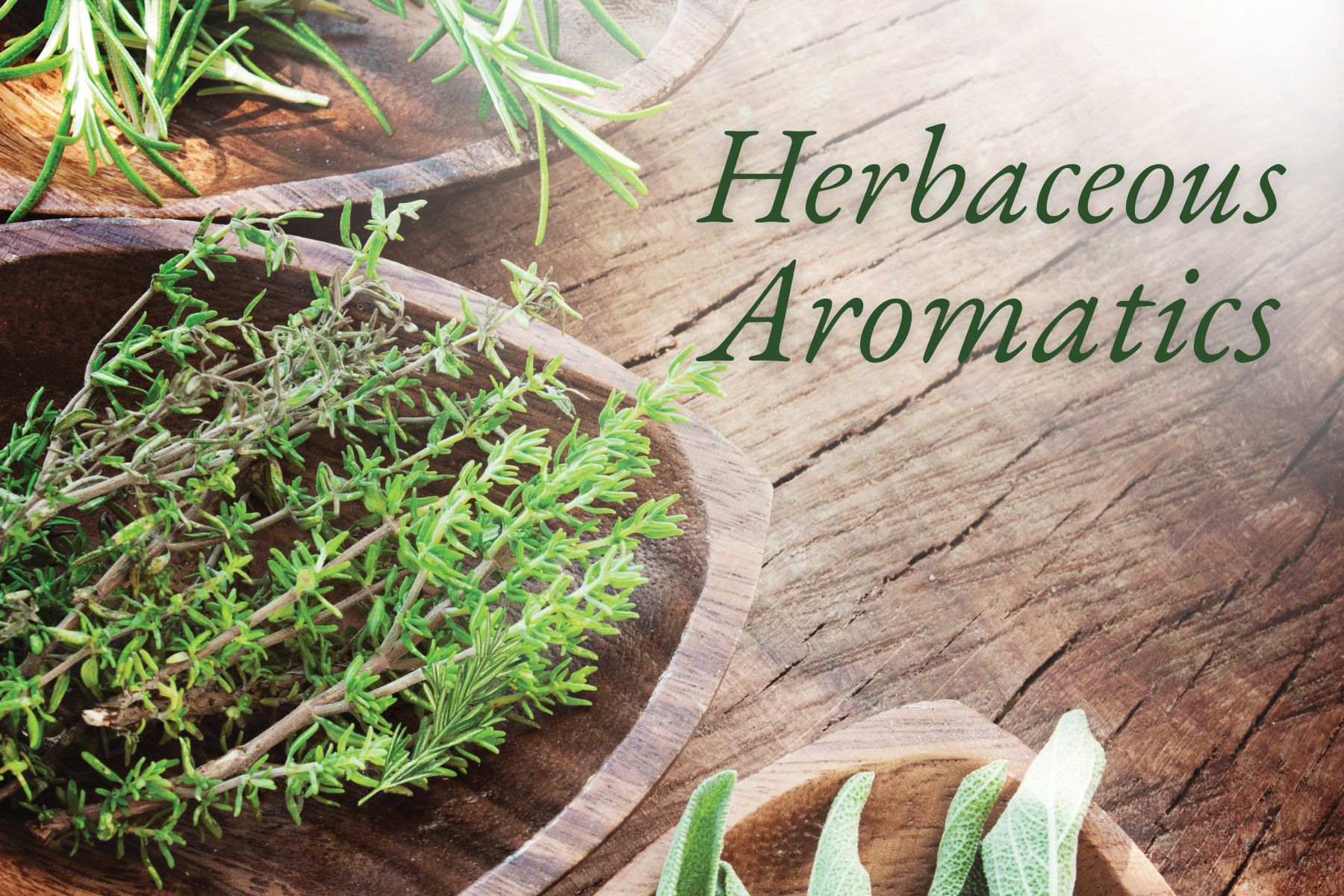
Packed inside a turkey or layered over cubes of bread for a savory stuffing, fall herbs are pillars of the Thanksgiving table. Though they are commonly associated with the annual November holiday, sage, rosemary, thyme and parsley have a myriad of uses, health benefits and ancient histories within their leaves.
Sage, with its pebbly, oval leaves and woody stems, is planted in the spring or fall, in areas with mild winters. Rosemary’s needle-like shrubbery is evergreen in mild climates such as California, but normally planted during spring in areas prone to frost. Thyme, a plant that can produce several varieties from a single batch of seed, should be planted in full sun for the best flavor. Delicate parsley, which comes in flat-leafed or curly varieties, is best planted early spring through late fall.
All four herbs are native to the Mediterranean and widely harvested and used during the fall and winter seasons. They date as far back as ancient Egypt and were considered sacred during Roman times: Sage purportedly provided health, wisdom and immortality; rosemary was worn in hair apparently for improved memory; thyme is believed to have cured poisons and given strength to soldiers before battle; and parsley, in a gesture of reverence, was placed on winning athletes and tombs of the dead.
Today, the herbs are used in cooking and for medicinal purposes. Sage is often added to sauces for bold flavor and into marinades of fatty meats, especially pork and poultry, because of its bright, peppery taste. It is also said to stimulate antioxidant defense systems and be anti-inflammatory, according to the National Library of Medicine. Rosemary’s spicy, distinct flavor lends well to stews and roasts and is believed to cure headaches and fatigue. Thyme can help elevate pasta sauces and roasted vegetables with its clove-like flavor; its oil has antimicrobial properties that inspired its use as as a preservative. Parsley brightens and adds a pop of color to any dish and has been used as a diuretic.
Sage, rosemary, thyme and parsley may be best known for supporting the heavy dishes that make up Thanksgiving spreads, but they shouldn’t be relegated to a single category. The rich history, versatility and special aromas of these fall herbs make them essential additions of flavor for daily cooking. So, skip that mysterious “dried herb mix” in the pantry that’s surely passed its prime and opt for these fresh, green bundles of the season.