
What to Do When Your Inner Grease Trap Overflow-eth
[vc_row type=”in_container” full_screen_row_position=”middle” scene_position=”center” text_color=”dark” text_align=”left” overlay_strength=”0.3″ shape_divider_position=”bottom” bg_image_animation=”none”][vc_column column_padding=”no-extra-padding” column_padding_position=”all” background_color_opacity=”1″ background_hover_color_opacity=”1″ column_link_target=”_self” column_shadow=”none” column_border_radius=”none” width=”1/1″ tablet_width_inherit=”default” tablet_text_alignment=”default” phone_text_alignment=”default” column_border_width=”none” column_border_style=”solid” bg_image_animation=”none”][vc_column_text]By Jensen Lorenzen | Illustration by Anna Takahashi
An open letter to anyone quietly suffering from a life on the Line.
[/vc_column_text][image_with_animation image_url=”6322″ alignment=”” animation=”Fade In” border_radius=”none” box_shadow=”none” max_width=”100%”][vc_column_text]Dear Chef,
The day you decided to make a career out of your part-time restaurant job, your normal life ended and life in “The Industry” began. Most experiences, working or otherwise, from that day until just a few hours ago are a blur.
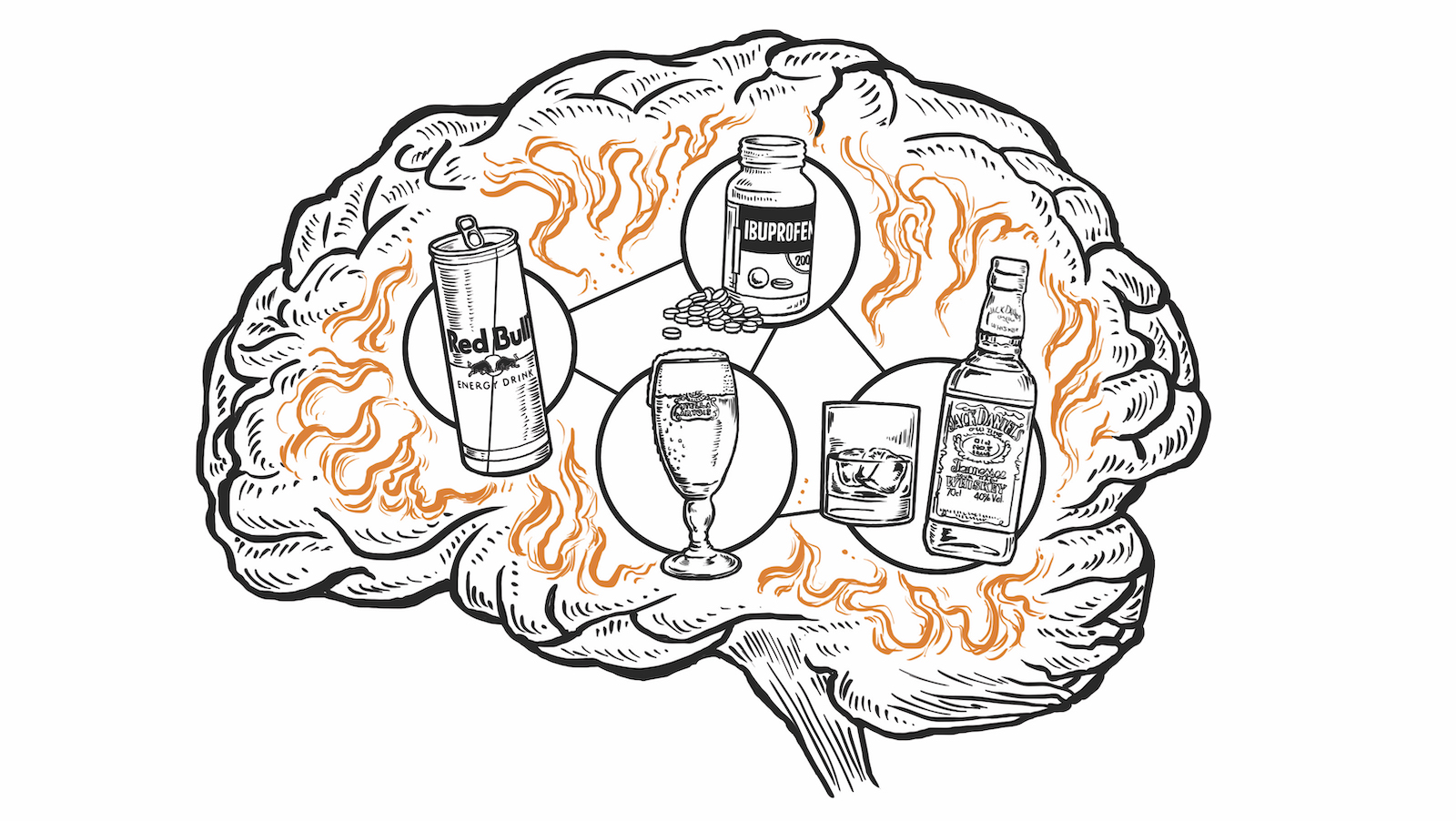
Your earliest memories in the business are of burning your skin and getting yelled at. Your daily routine looks something like this: waking up at noon exhausted, driving to work hungover, getting burned, drinking Red Bull, more burns, bleeding, beers with the crew then booze just to sleep (more like pass out). Then you wake up smelling like a grease trap and do it all over again.
Most people will never experience a day of work like this, and you’ve made it through more years than you care to count. Five, six, seven shifts a week, 10 to 15 hours at a time — for longer than most people stay married.
—
You’ve allowed this manic routine to alter who you once were. Who you used to be wouldn’t have survived a day in these conditions.
Like an athlete can eventually suffer from the strain that training puts on her body, you have begun to feel the effects of the stress, long hours and multiple repetitive strain injuries. To say that this is a stressful job might be putting it lightly. It’s hard to explain, but the type of stress you’re enduring is unique to The Industry, and the daily dose of it has started to take its toll.
The high you used to feel after a shift has become pure exhaustion. The beer you used to share with your crew to celebrate a job well done has become a nightly six-pack and half a bottle of whiskey. You’ve put your body into a sort of stress-induced state of fight or flight, and it’s tired of fighting.
Good news is, you’re not dead yet and you’re definitely not alone. I can help, well at least I think I can. It’s time to make like John Connor and “come with me if you want to live.”
—
I’d like you to focus your attention on your unique ability to normalize the pressure you feel on a daily basis. This is quite possibly the most significant and positive symptom of your condition. Your time in the pressure cooker has taught you to think on your feet, and has developed your resilience, grit and perseverance in difficult situations.
Anyone who can handle a dishwasher ”no/call-no/show” on New Year’s Eve, while maintaining peace among a crew of borderline sociopaths — and do it all with a smile — has achieved Zen mastery-level composure. You don’t just put up with it all, you actually thrive under these conditions. I bet you didn’t realize you had a superpower and all you had to do to get it was show up every day. Sure beats getting bit by a radioactive scorpion. But like all superpowers when left unchecked, this one can become dangerous. Anxiety, depression and an overwhelming sense of where do I go from here are pretty typical.
A runner doesn’t run a marathon every day, and an Olympic weightlifter knows the importance of rest for recovery. Ask a kindergarten teacher how important his summer vacation is to his sanity. Point is, sometimes you need to get off the Order Up! Crazy Train to recover, something The Industry rarely affords. We’ve seen our colleagues suffer in public, even perish from unmitigated stress — Brock, Chang, Homaru, Bernard and Benoît — the list has gotten too long. The world finally seemed to notice when we lost Uncle Tony.
You shouldn’t be afraid of the change. Be afraid of what you might become without it. This power gives you a competitive advantage behind the line as well as outside the galley doors. Thing is, you need to begin training it to comply now for it to work to your advantage. You might also need to shake some bad habits to do it effectively. Mental health is not a pinch here and a dash there-type dish. You need a plan, a recipe. I know, you think you don’t need a recipe, but you do (recipe follows).
—
I can promise you that accepting you need a change and having the strength to do it will be the hardest part. I can promise you that some people might not understand, but that nobody will blame you.
Don’t worry, The Industry won’t miss you. It will welcome its newest recruits, and they will be just as excited to participate as you were. Let them. You know it was all worth it. Just remember to be there for them when the wheels fall off. I’ll be waiting with a cold beer, just around back past the milk crates and recycling bins.
Off the line but never clocked out,
JL
Recipe for Change (serves you)
INGREDIENTS
- You (may substitute any anxiety-ridden human when necessary)
- A desire to make a change, regardless of how uncomfortable it is at first
- A positive outlook toward new challenges
- The willingness to start from square one, again (don’t worry, you won’t actually)
- The willingness to replace unhealthy coping mechanisms
PREPARATION
Step 1
Make the decision to allow for a change. Mix all ingredients and allow for enough time to thoroughly incorporate. Practice what you’ve learned by seeking new challenges at work or looking outside of the industry for inspiration.
Step 2
If necessary, begin replacing unhealthy coping mechanisms with healthy productive activities. For example, replace excessive drinking with yoga; replace smoking and drugs with other dopamine- inducing activities such as surfing, martial arts, mountain biking or rock climbing; replace unmitigated moments of anxiety with focused breathing through meditation, walking or swimming.
Step 3
Repeat daily until your condition improves. This might take a year or more, so be prepared to channel that superpower.
Five things you can do right now to mitigate the effects of stress
1. Call your grandmother, just to say hello.
2. Take 10 deep breaths, in through your nose, out through your mouth.
3. Do five bodyweight squats followed by five push-ups.
4. Do 20 minutes of yoga. Doing this with a friend or loved one will provide 10 times the positive effects.
5. Plan a vacation.
Five jobs you should consider if you’re a former restaurant employee
1. Work for a caterer.
2. Start private cooking classes from home.
3. Help at a farm.
4. Sell for a wholesale food company.
5. Anything found on goodfoodjobs.com.
Five websites you should know
1. goodfoodjobs.com
2. chefswithissues.com
3. theheirloomfoundation.org
4. healthyhospo.com
5. suicidepreventionlifeline.org
[/vc_column_text][/vc_column][/vc_row]