
What Tea Taught Me About Our Relationship with the Living World
Story and Photos by Jennifer de Tréglodé
My connection to tea began long before I knew what tea truly was. As a child, I was drawn to the simple ritual of a warm cup. I loved the way it comforted me when I was tired, soothed me when I was sick and somehow invited me into a quieter relationship with the present moment. At the time, I didn’t have language for what I was experiencing. I only knew that tea felt different.
Years later, I discovered that what I had been intuitively sensing was part of a lineage thousands of years old. Across cultures – first and foremost in China – people had long recognized tea’s ability to cultivate presence, connection and wellbeing. Naturally, I wanted to learn everything I could.
What began as curiosity evolved into years of study as a Tea Sommelier and practitioner of Chadao, the Way of Tea, a contemplative tradition rooted in Taoist philosophy. Along the way, tea became much more than a beverage or a ritual. Tea introduced me to herbalists, who taught me to understand the language of plants. It brought me into culinary spaces where tea could be appreciated alongside food and chocolate with the same nuance as wine. It connected me with healers, meditators, and holistic practitioners who understood tea as a form of medicine. And perhaps most surprisingly, it introduced me to farmers, ecologists, and advocates of regenerative agriculture who helped me see the profound relationship between how we cultivate the land and how we nourish ourselves. Again and again, I encountered teas that were unlike anything I had ever tasted – not because of processing techniques alone, but because of the vitality of the ecosystems in which they were grown. I found that the healthiest, most vibrant and delicious teas came from healthy landscapes.
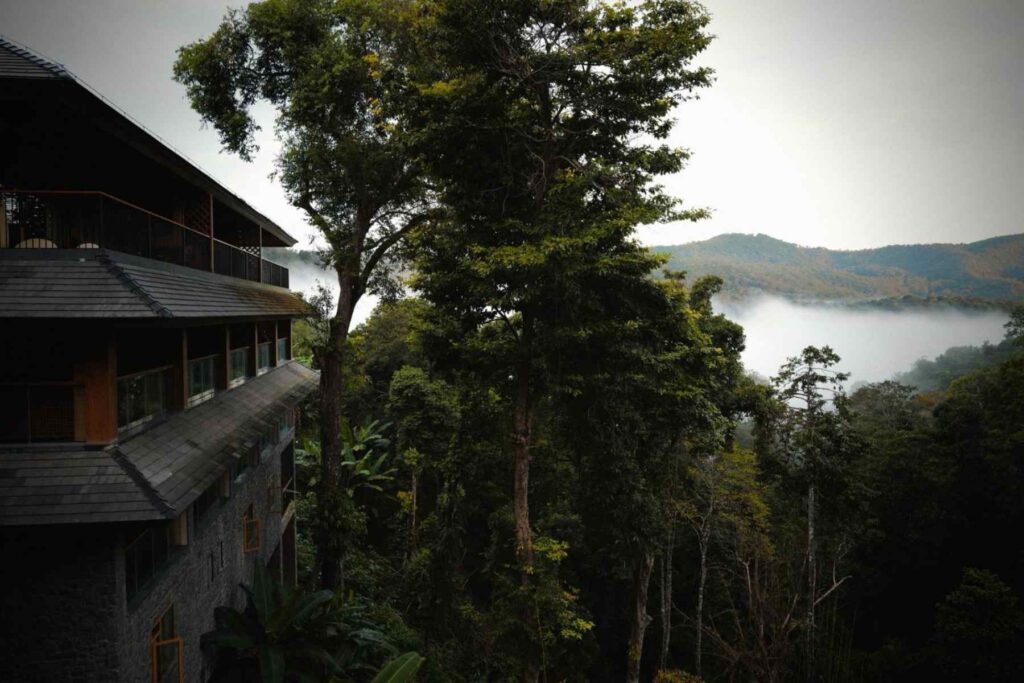
Then I was given the opportunity to travel to Yunnan Province, the birthplace of tea. I imagined the journey would deepen my connection to the plant itself. Instead, it transformed my understanding of ecology.
Tea was the thread that brought me to Yunnan, but the deeper story was one of land, culture, agriculture, and humanity’s relationship with the living world. Walking through ancient tea forests, I witnessed ecosystems functioning not as collections of separate parts, but as communities. Towering tea trees shared space with countless other species. Birds, insects, fungi, microorganisms, waterways, and forests all participated in an intricate web of relationships that sustained life.
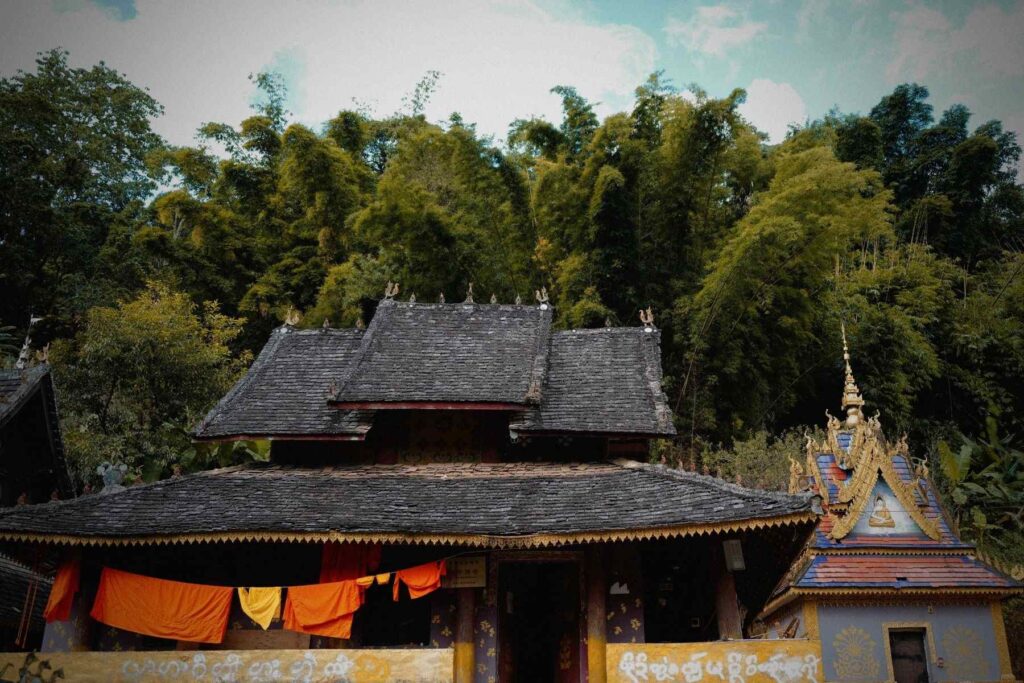
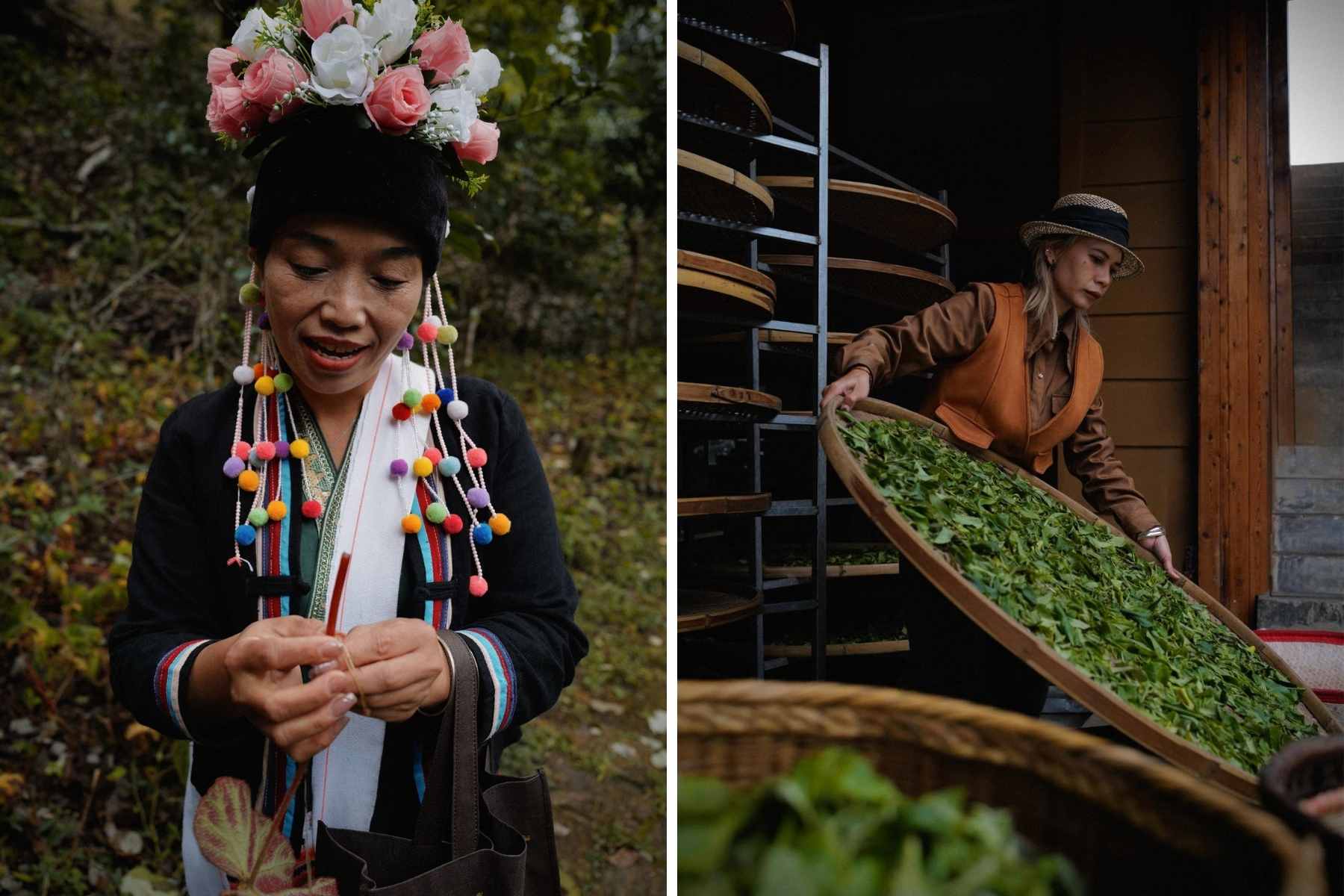
What struck me most was not simply the beauty of these landscapes but the way local communities related to them. Spending time with members of the indigenous Dai and Bulang communities, people whose relationship with tea stretches back thousands of years, I witnessed a way of life rooted in reciprocity. Tea trees were not treated merely as crops, but as living relatives. People sang to them, made offerings, spoke of them with affection, and moved through the forests with a sense of kinship and respect. The more time I spent there, the more I noticed something remarkable: the character of the people seemed to mirror the character of the tea itself. It was grounded and there was a sense of patience, generosity and ease that felt inseparable from the landscapes they inhabited and stewarded.
Many of the agricultural principles being championed today through regenerative agriculture, agroforestry, permaculture, and biodynamic farming have existed in these communities for centuries; diversity over monoculture; reciprocity over extraction; stewardship over production, alone. These are often presented as innovative solutions to modern ecological challenges, yet in Yunnan they are simply ancient expressions of a longstanding relationship with place.
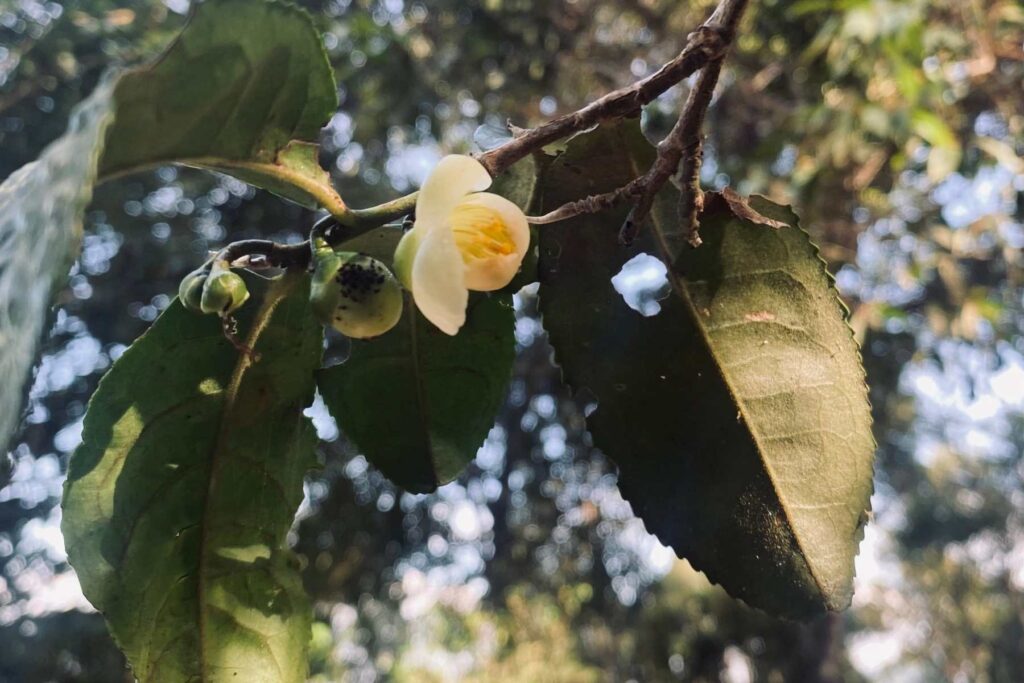
What I brought home from Yunnan was more than a deeper appreciation for tea. I came home with an understanding that tea is, in many ways, an ecological medicine. Before it becomes a beverage, tea is part of a forest, a watershed, a climate, a community and a culture. Every cup carries the story of a landscape and the people who have cared for it across generations. When we drink tea in this way, we are not simply consuming a product. We are participating in a relationship and returning to our place within the great web with respect, reverence and remembrance.
And perhaps the same could be said of all food. Spending time in these landscapes changed the way I think not only about tea, but about farming, nourishment, and what it means to belong to a place. It reminded me that sustainability is not merely a collection of techniques; it is a way of seeing, a way of remembering that our wellbeing is inseparable from the wellbeing of the ecosystems that sustain us. At a time when many of us are questioning where our food comes from and how we might cultivate more resilient relationships with the land, these ancient tea forests offer something increasingly rare: a living example of ecological wisdom refined over centuries.
What might our food systems look like if we approached them not simply as systems of production, but as relationships?
Perhaps the answer begins by listening to the landscapes that have been teaching this lesson all along.
Jennifer de Tréglodé is a San Luis Obispo-based Tea Sommelier, educator, and guide. In November 2026, she will be leading a small-group pilgrimage to Yunnan, China, exploring tea culture, traditional foodways, ecological stewardship, and ancestral relationships with the land. Read more information and to journey to Yunnan with her.