
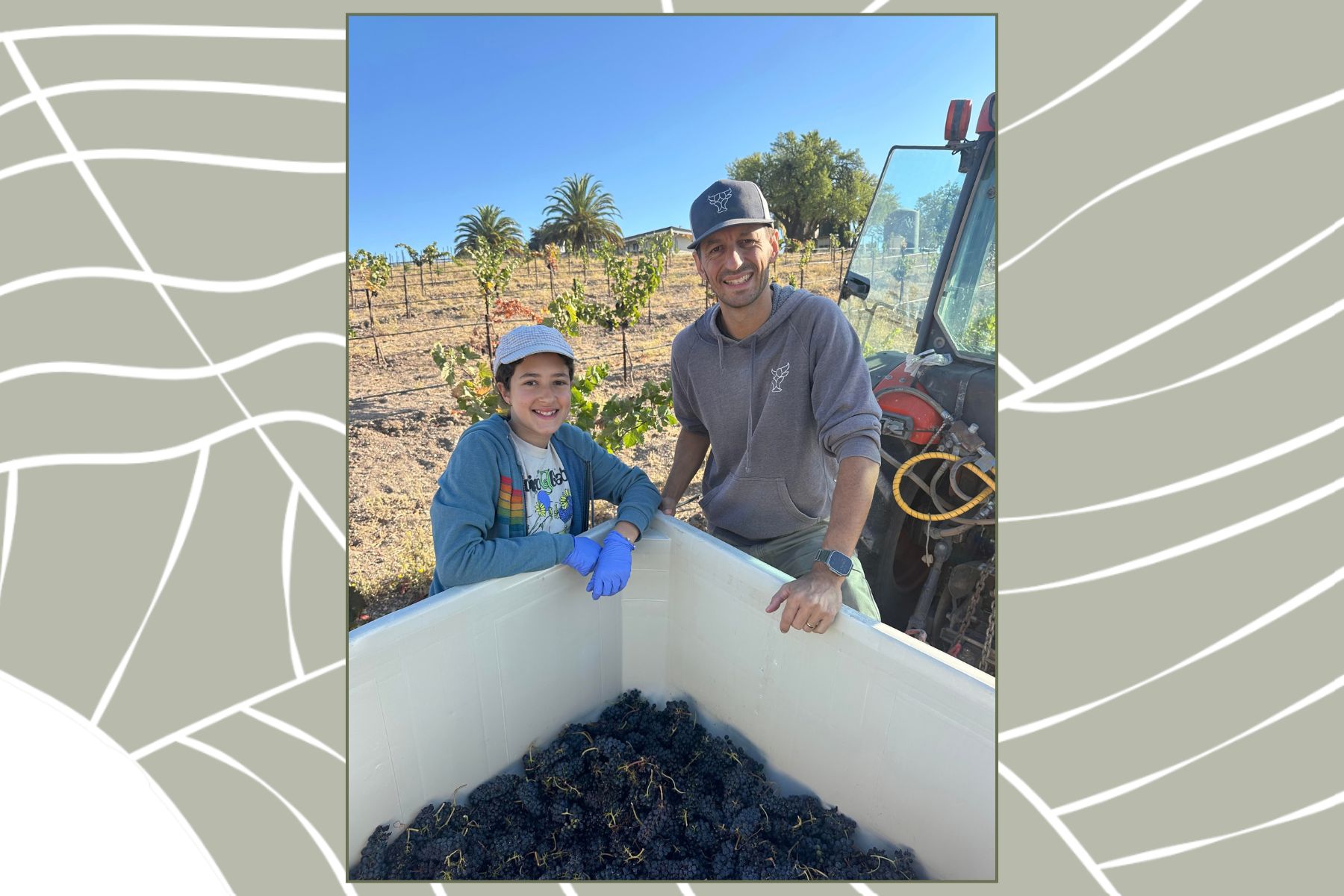
Perspective: Seven Oxen Winemaker Owner Shares French Origins
Words by Bastien Leduc
This perspective piece shares a piece of Bastien Leduc’s early life in France, what motivated him to become a winemaker and his approach to viticulture.
I was raised in the southwest of France, in the small community of Gaillac, a region renowned for its vineyards and winemaking. My parents owned a small vineyard, Domaine de la Tronque, which my father started with my grandfather in the late 1970s. The name roughly translates to a break in a geological formation or a change in nature. Well before organic farming became officially recognized in France, my family was already committed to the movement.
As a teenager, I learned the fundamentals of vineyard work and wine production. My parents were deep believers in the importance of understanding and protecting the environment around us, and respect for the land was instilled in me from a young age. Looking back, I now appreciate how much knowledge I absorbed simply by growing up and helping out on my parents’ farm. At the time, I didn’t fully realize I was learning a craft that would shape my future, but those early experiences and values continue to influence the way I farm and make wine today.
I didn’t always plan to become a winemaker. For a long time, I imagined myself in forestry management. But at 18, I traveled to Australia and spent six months working at three different wineries. During that time, I learned new winemaking techniques, improved my English and discovered a strong pull toward viticulture. When I returned home, I shifted my academic focus to winemaking and viticulture and spent time studying and apprenticing in the Loire Valley, Cognac and Bandol.
After my studies, I began working at a winery northwest of Bordeaux. Bordeaux is a place of grand estates, high walls and closely guarded traditions. I learned so much there, but the culture was highly competitive. Wineries often protected their methods and operated more independently than collaboratively, which is very different from the community-centered approach I value today in Paso Robles.
Back at my family vineyard, in the summer of 2008, a young woman named Rebecca arrived from Boston through World Wide Opportunities on Organic Farms (WWOOF) to learn about organic farming and work a harvest season. We quickly bonded over our shared passion for sustainable agriculture, food and travel, eventually falling in love and deciding to pursue winemaking together.
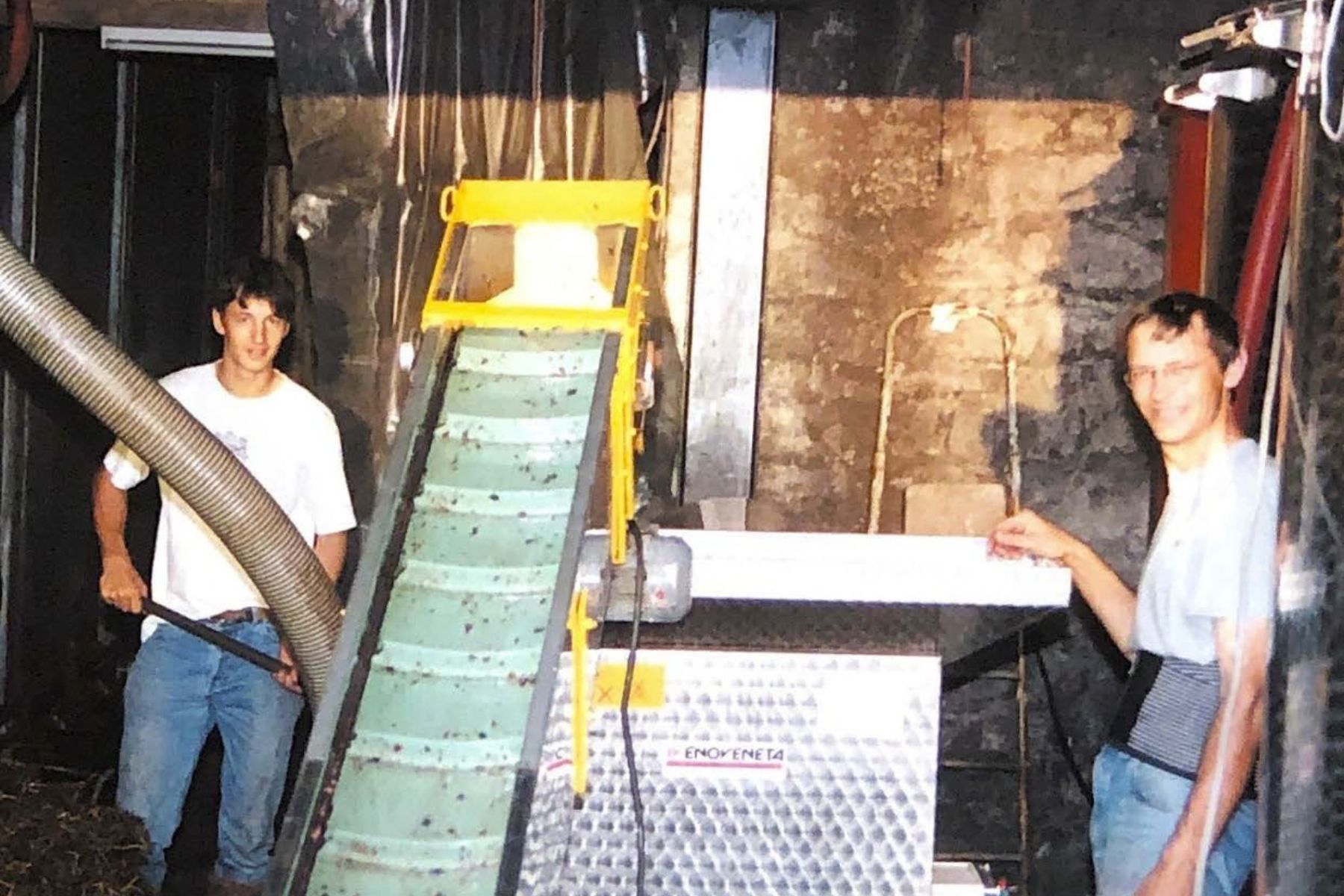
My parents were not yet ready to retire, and the family vineyard was not large enough to support four people managing it full-time. So, in 2010, Rebecca and I moved to California’s Shenandoah Valley wine region in Amador County. I spent two-and-a-half years at Domaine Terre Rouge working as both vineyard manager and cellar hand, gaining valuable experience.
We eventually relocated to Paso Robles and found a west side property that would become Seven Oxen Estate Vineyard. Choosing the right site was critical. The limestone-rich soils immediately stood out to me because I believed that with the right rootstock, we could preserve acidity in the grapes and produce rich, balanced wines. Seven Oxen vineyard spans two American Viticultural Areas (AVAs) — Willow Creek and Templeton Gap — all within one continuous vineyard block. Here, I farm Zinfandel, Tannat and Rhône varietals.
I don’t like to think of myself simply as a vineyard manager because the relationship goes much deeper than managing a crop. A vineyard is not just a product; it’s a living ecosystem shaped by soil, climate, plants, animals and people working together. My farming philosophy begins with nurturing strong, resilient vines in healthy, living soil. Instead of planting grafted vines directly, I first plant rootstock into the ground and wait two years before field grafting. This allows the root system to establish itself fully before supporting fruit production. In a region with limited rainfall, that stronger foundation is essential for long-term vineyard health and resilience.
My winemaking style has evolved from my roots in France to reflect the realities of California. You cannot ignore environment — you must adapt to each vintage, climate variation and the character of the land itself. My approach sits somewhere between French restraint and Californian expression. My philosophy in the cellar is one of minimal intervention. I see my role as guiding grapes into becoming wine rather than forcing them into a predetermined formula. I don’t aim to make the exact same wine every year because each vintage tells its own story. This is why I farm my own grapes: I want people to experience the influence of the season, the climate and the quality of the vineyard’s soil itself. That variability is part of the beauty of wine and the human connection behind it.
Winemaking in the U.S is very different from France. French wine laws and standards helped establish iconic regions like Bordeaux, Burgundy and Champagne as benchmarks of quality around the world. But those strict regulations also created rigid systems that can limit innovation. Over time, many lesser-known grape varietals disappeared because they weren’t considered high quality under those standards. Today, many winemakers in France want to revive these varietals, but regulations make that difficult. America offers far more freedom to experiment and be creative.
Humility is essential in winemaking. Working with vineyards teaches you very quickly how much you still have to learn. Nature constantly forces you to adapt, and there is always wisdom to gain from those who came before. That spirit of collaboration is one of the things I love most about Paso Robles. There is a strong sense of community and shared learning among winemakers here. And one thing I especially appreciate about the guests I meet in our tasting room is their curiosity and willingness to ask questions without feeling intimidated. I really enjoy helping people understand what they’re drinking. Spending time in the tasting room and having these conversations is one of the most rewarding parts of my work.
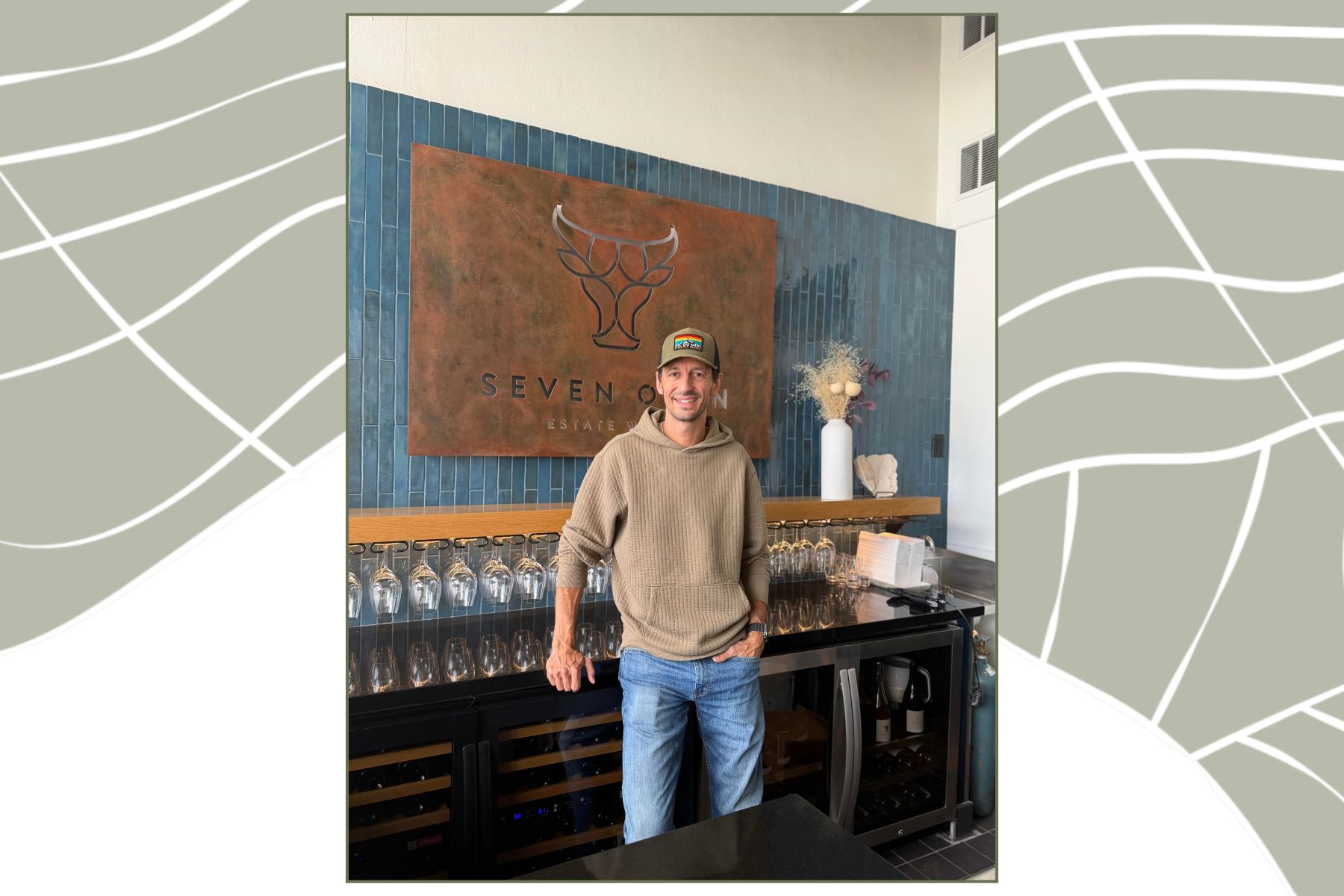
As for what comes next, the journey keeps evolving. We recently opened a new tasting room in downtown Paso Robles and are renovating a guest house on the vineyard. Looking ahead, I want to continue deepening our commitment to the land by pursuing the regenerative organic certification (ROC), approaching the vineyard with an even broader perspective and creating greater complexity and balance within the ecosystem.